


-
 Part 1 | Session 3 Women and AS, Thrombosis Impact & Discussion
-
Part 1 | Session 4 Applying Results of the SMART Trial into Clinical Practice & Discussion
-
Part 1 | Session 1 Welcome and Introduction
The Future of TAVR: 3-Year SMART Trial Results webinar series explores the key outcomes of the SMART Trial and what they reveal about improving care for patients undergoing transcatheter valve intervention.
The series focuses on how trial findings inform everyday clinical decisions, with particular attention to bioprosthetic valve dysfunction, prosthesis–patient mismatch and thrombosis. Special consideration is given to small annuli patients, including those with an annular area below 430 mm², and to women, where anatomy and haemodynamics can significantly influence outcomes. The discussion connects evidence to practice, highlighting how structured pre-procedural planning, imaging and patient selection can optimise results.

Key Learning Objectives
- Outline definitions and types of BVD, preventative strategies, and implications.
- Translate trial results into real-world clinical practice.
- Understand how pre-case planning, imaging, and tools can support patient selection.
- Identify indicators of low-flow, low-gradient severe aortic stenosis.
Target Audience
- Interventional Cardiologists
- Structural Heart Intervention Specialist
- Cardiac Imaging Specialists
- Cardiothoracic surgeon
More from this programme
Part 1
The Future of TAVR: Procedure Planning & Real-Life Experience - Session 2
Faculty Biographies
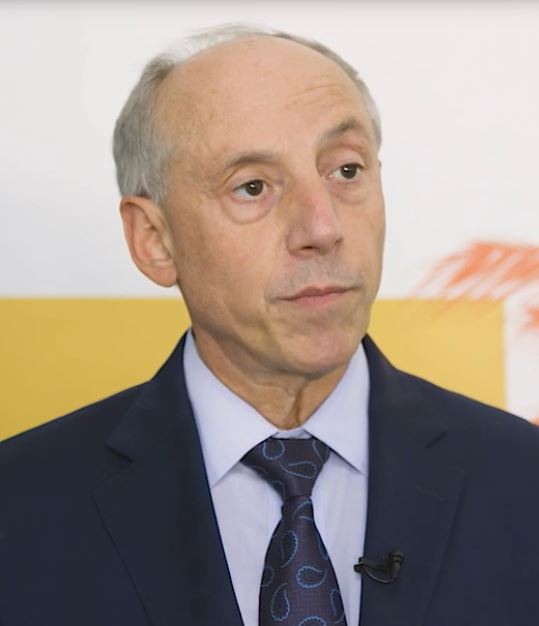
Howard C Herrmann
Director, Cardiac Catheterization Laboratories
Howard C Herrmann, MD, is a Professor of Medicine at the University of Pennsylvania School of Medicine and Director of Interventional Cardiology and the Cardiac Catheterization Laboratories at the Hospital of the University of Pennsylvania, Philadelphia. He has authored or co-authored more than 200 articles on numerous topics in interventional cardiology. His research focuses on the clinical investigation of new therapies for valvular and structural heart disease. He is Past President of the Pennsylvania Chapter of the American College of Cardiology (ACC) and serves on numerous national committees and Editorial Boards. Dr Herrmann earned his AB at Harvard College and his MD at Harvard Medical School, and completed his training at Massachusetts General Hospital.

Craig Basman
Associate Director, Structural & Congenital Heart Program
Dr Craig Basman, M.D., FACC, FSCAI, has recently joined the Hackensack Meridian Medical Group team as the Associate Director of the Structural & Congenital Heart Program. Board-certified in Interventional Cardiology and Cardiovascular Disease, Dr. Basman is recognized for his specialty in percutaneous treatment for coronary artery, congenital and structural heart disease. Prior to joining HMH, Dr. Basman served as an attending physician in the Department of Cardiothoracic Surgery at Lenox Hill Hospital. He has played an integral role in the advancement of transcatheter heart therapies with his involvement in numerous clinical trials (including CLASP TR, SUMMIT, FLASH, FLAME, and TRISCEND) and wrote over 60 peer reviewed publications. Dr. Basman was also the Interventional Director of the Pulmonary Embolism Response Team for the northern region. Dr Basman serves on several review and editorial boards in prestigious medical journals, and has also presented his work at…

Matthew Summers
Interventional Cardiologist
Dr Matthew Summers is an interventional cardiologist with the structural heart team at Sentara Heart Hospital. After graduating from the University of Richmond, he earned his medical degree from the Mayo Clinic College of Medicine and completed his internal medicine residency at Duke University. In his five years of cardiology fellowship training at the Cleveland Clinic, Dr Summers trained to care for the most critically ill and complex heart disease patients.

Zarina Sharalaya
Interventional & Structural Cardiologist
Dr Zarina Sharalaya joined North Texas Heart Center in 2022 after completing her interventional and structural cardiology fellowship at Cleveland Clinic Foundation. She earned her Medical Degree at The Ohio State University College of Medicine, completed a residency in internal medicine at the University of North Carolina, and a fellowship in cardiovascular medicine at Cleveland Clinic Foundation. Dr Sharalaya is board certified in Internal Medicine, Nuclear Cardiology, General Cardiology, and Interventional Cardiology.

Kelly C. Epps-Anderson
Interventional Cardiologist
Dr Epps specializes in the treatment of coronary artery disease and structural heart disease. She has expertise in coronary angioplasty, rotational atherectomy, stenting procedures, and the invasive assessment of coronary artery disease including intravascular ultrasound and coronary blood flow assessment. In addition, Dr Epps has advanced training in percutaneous treatment strategies for structural heart disease, including transcatheter aortic valve replacement, balloon aortic valvuloplasty, percutaneous mitral valve interventions, and closure of patent foramen ovale and atrial septal defects. Dr Epps has a special interest in women's cardiovascular health. Dr Epps' research has focused on outcomes and quality of care for women undergoing stenting procedures for coronary artery disease.
Comments