


-
 4m 10sPart 2 | Session 10 10-Year Mortality in NOBLE: PCI vs CABG for Left Main Disease
-
 28m 2sPart 2 | Session 11 1-Year ENCIRCLE TMVR Results with SAPIEN M3
-
 10m 32s
-
 14m 58s
-
 6m 49sPart 1 | Session 1 5 Trials That Will Change My Practice with Dr Mirvat Alasnag
-
 2m 12sPart 1 | Session 2 2 Trials That Will Change My Practice with Prof Rasha Al-Lamee
-
 3m 51sPart 1 | Session 3 3 Ways AI Will Change Your Practice
-
 21m 50sPart 1 | Session 4 TCT 25 Structural Interventions Highlights
-
 5m 33sPart 2 | Session 1 SELUTION DeNovo: 1-Year Results Comparing Sirolimus Balloon vs DES in PCI

-
 5m 49s
-
 20m 17sPart 2 | Session 4 TRILUMINATE Pivotal Trial: Lessons Learned from Tricuspid TEER
-
 10m 9sPart 2 | Session 5 Real-World EVOQUE Outcomes from TVT Registry
-
 8m 6sPart 2 | Session 6 PASCAL Precision System in Complex Degenerative MR
-
 7m 2sPart 2 | Session 7 PREVUE-VALVE: Prevalence of Valvular Heart Disease in Older Americans
-
 7m 4s
7m 4s
TCT 2025 — Dr Suzanne J Baron (Massachusetts General Hospital, US), principal investigator of the Short-CUT trial (NCT06089135; Baim Institute for Clinical Research), joins us to discuss this investigator-initiated, multicentre randomized controlled study.
The trial enrolled 410 patients with moderate to severe coronary artery calcification across up to 22 international sites. Eligible participants had de novo coronary lesions in vessels measuring 2.5–4.0 mm in diameter, with at least 50% stenosis and angiographic or intravascular evidence of calcification. Patients were assigned to one of two cohorts. The rotational atherectomy cohort included those requiring upfront atherectomy, who were randomized to Cutting Balloon angioplasty or intravascular lithotripsy (IVL) following atherectomy. The non-atherectomy cohort included patients in whom atherectomy was not planned, randomized after successful wire crossing.
The primary endpoint was the minimum stent area at the site of greatest calcification, assessed by OCT or IVUS, using a non-inferiority design. Secondary endpoints included procedural success, stent expansion, peri-procedural myocardial infarction, device-related complications, and major adverse cardiac events (MACE) at 12 months.
Investigators found no differences between IVL and balloon angioplasty in stent expansion, presence of calcium fractures, strategy success, intraprocedural adverse events or MACCE at 30 days. Procedural cost of IVL was significantly higher, suggesting cutting balloon angioplasty could be a less costly option for patients with calcified lesions.
Interview Questions:
1. What is the importance of this trial?
2. What is the study design and the endpoints?
3. What are the key results presented at TCT 25?
4. What are the take-home messages for practice?
5. What are the next steps?
For more content from TCT 2025 head to the Late-breaking Science Video Collection.
Interviewer: Liam O'Neill
Editors: Jordan Rance & Mirjam Boros
Videographers: Tom Green & Mike Knight
Recorded on-site at TCT 2025, October.
Support: This is an independent interview produced by Radcliffe Cardiology.
Stay Updated with Our TCT 2025 Video Coverage
We’re bringing you independent, critical insights straight from TCT 2025.
Join Prof Nicolas Van Mieghem in Cardiology Conference Perspectives as he discusses what the late-breaking data could mean for your practice.
Don’t miss our short Expert Interviews with investigators, offering concise analyses and practical take-home messages.
Hear Dr Mirvat Alasnag and Dr Rasha Al-Lamee share their views on the data they believe will have the greatest impact on clinical practice.
Follow the hot topics driving innovation in interventional cardiology, and stay tuned for fresh perspectives, real-world insights and global viewpoints, all coming soon on Transcatheter Academy.
More from this programme
Part 1
Highlights
Part 2
Expert Interviews
Part 3
NVM Cardiology Conference Perspectives
A focused video series where Prof Nicolas Van Mieghem offers expert reflections on the most impactful late-breaking trials shaping interventional cardiology at TCT 2025.
Faculty Biographies
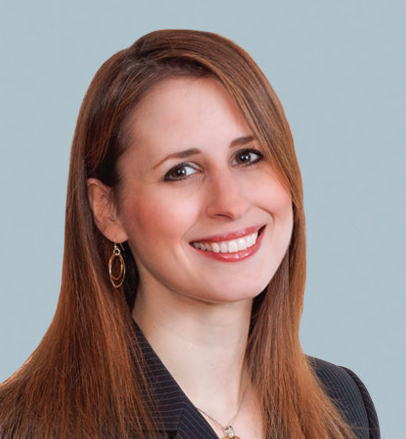
Suzanne J Baron
Interventional Cardiologist
Dr Suzanne Baron is an Interventional Cardiologist at Massachusetts General Hospital, Boston, US. She received her BA from Harvard University, her MD from Yale School of Medicine and her MSc from Harvard School of Public Health.
Dr Baron is involved in research involving the effects of cardiovascular devices on healthcare costs and patient-reported outcomes and she has published on these topics in the Journal of the American College of Cardiology, JAMA Cardiology and Circulation.
She is active within the Society for Cardiovascular Angiography and Interventions and has served as the chair for the Women in Innovations committee as well as the deputy editor for the Journal of the Society for Cardiovascular Angiography and Interventions (JSCAI).
Comments